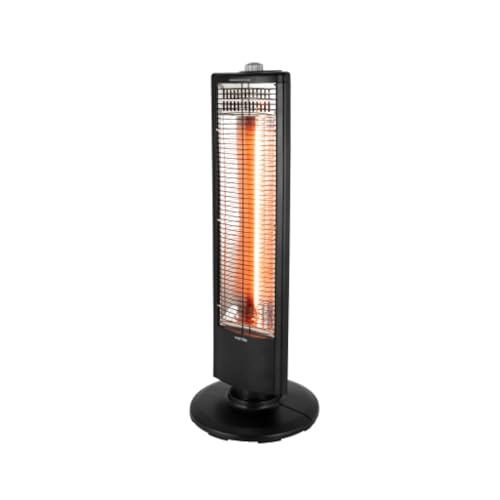
how to select the perfect infrared heater for your space
As the winter months approach, the need for efficient and effective heating solutions becomes paramount. Infrared heaters have gained popularity due to their ability to provide instant warmth and energy efficiency. However, selecting the perfect infrared heater for your space requires careful consideration of various factors. This guide will help you navigate through the options available in the market today.
Understanding Infrared Heating Technology
Infrared heaters work by emitting infrared radiation, which directly warms objects and surfaces in the room instead of heating the air. This results in quicker warmth and reduced energy consumption. Before selecting a heater, it is crucial to understand the different types of infrared heating technology available, such as carbon fibre, quartz, and ceramic, as each has its unique benefits and drawbacks.
Assessing Your Space
The first step in choosing an infrared heater is to accurately assess the space you intend to heat. Consider the size of the room, the height of the ceilings, and the layout. Larger spaces may require multiple units or a more powerful heater to ensure even heating. Also, think about the insulation of your room; poorly insulated spaces may lose heat quickly, necessitating a more robust heating solution.
People Also Look For:
- Warmlite WL42013 Infrared Heater with Oscillation, Overheat Protection, Black
- DONYER POWER Outdoor Heaters for Garden Patio Heater with Remote 800W/1200W/2000W Halogen Heater Waterproof Greenhouse Infrared He...
- DONYER POWER Electric Outdoor Heaters for Garden Patio Heater with Remote Halogen Heater Ceiling Mounted, 800W/1200W/2000W Greenho...
Determining Heater Size
The size of the infrared heater is critical in determining its efficiency. Heaters are usually rated by wattage, with approximately 10 watts needed per square foot of space to achieve effective heating. For example, a 1000-watt heater can adequately heat a room of about 100 square feet. Be sure to factor in the room's purpose; a living area may require a different wattage compared to a bathroom or an office.
Portability vs. Fixed Installation
Decide whether you prefer a portable infrared heater or a fixed installation. Portable heaters are versatile and can be moved from room to room as needed, providing flexibility in heating different areas of your home. In contrast, fixed installations are ideal for consistent heating in a designated space, often offering higher output and efficiency. Consider your lifestyle and heating needs when making this decision.
Energy Efficiency and Running Costs
One of the main attractions of infrared heaters is their energy efficiency. Look for models with a good energy rating. Infrared heaters typically use less electricity than traditional heating methods, which can lead to lower running costs. Additionally, consider features such as timers and thermostats that can help optimise energy use and further reduce expenses over time.
Safety Features
Safety should always be a priority when selecting any heating device. Modern infrared heaters come equipped with several safety features, including overheat protection, tip-over switches, and cool-touch exteriors. These features help to prevent accidents, making them safer for use in homes with children or pets.
Design and Aesthetics
Infrared heaters are available in a variety of designs to suit different interior styles. Whether you prefer a sleek, modern look or a more traditional appearance, there are options to complement your decor. Consider whether you want a freestanding model or one that can be mounted on a wall. The right design can enhance the overall aesthetic of your space while providing effective heating.
Reading Reviews and Recommendations
Before making your final selection, it is wise to read customer reviews and seek recommendations. Real customer experiences can provide valuable insights into the performance and reliability of specific models. Websites and forums dedicated to home heating solutions can be excellent resources for gathering information and making an informed choice.