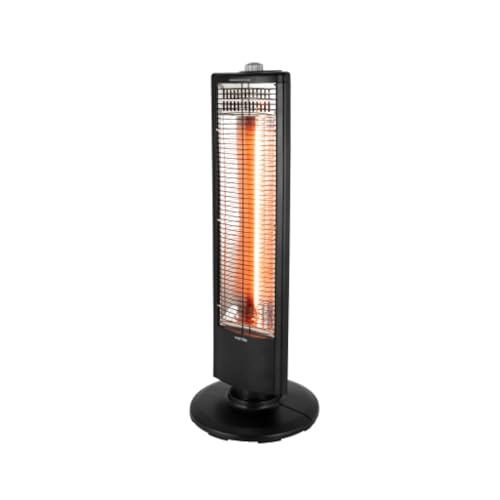
frequent errors when installing your infrared heater correctly
Installing an infrared heater can seem straightforward, yet many homeowners make common mistakes that can lead to inefficiencies and safety hazards. As we progress through 2026, understanding how to correctly install your infrared heater is essential for optimal performance and safety. Here, we discuss frequent errors and provide practical advice to ensure your installation goes smoothly.
Ignoring the manufacturer's guidelines
One of the most significant errors individuals make is neglecting to read the manufacturer's installation instructions. Each infrared heater comes with specific guidelines tailored to its design and functionality. Not following these can result in improper installation, which may void the warranty or lead to malfunction. Always ensure you have the user manual at hand and adhere to the recommended installation practices.
Improper placement of the heater
Placement plays a critical role in the effectiveness of an infrared heater. Many people install their heaters without considering the room's layout, which can lead to uneven heating. It is essential to place the heater in a location where it can provide direct warmth to people rather than heating the walls or ceiling. Ideally, the heater should be installed at a height of at least two metres from the floor to ensure optimal performance and minimise any risks.
People Also Look For:
- DONYER POWER Outdoor Heaters for Garden Patio Heater with Remote 800W/1200W/2000W Halogen Heater Waterproof Greenhouse Infrared He...
- DONYER POWER Electric Outdoor Heaters for Garden Patio Heater with Remote Halogen Heater Ceiling Mounted, 800W/1200W/2000W Greenho...
- Warmlite WL42013 Infrared Heater with Oscillation, Overheat Protection, Black
Overlooking electrical requirements
Another frequent mistake is not paying attention to the electrical requirements of the heater. Infrared heaters require a specific voltage and amperage, and failing to provide the correct supply can result in damage to the unit or pose a fire hazard. Before installation, check the specifications on the heater and ensure that your electrical system can support it. If unsure, it may be wise to consult with a qualified electrician to avoid any dangerous mishaps.
Neglecting insulation considerations
Insulation plays a vital role in the efficiency of any heating system, including infrared heaters. A common mistake is installing the heater in poorly insulated spaces, which can lead to significant heat loss. Before installing, evaluate the insulation of the area. Make improvements where necessary, such as adding insulation to walls or sealing gaps around windows and doors. This will enhance the performance of your infrared heater, ensuring it warms your space effectively.
Not considering the size of the heater
Choosing the right size of infrared heater for your space is crucial. Many individuals make the error of selecting a heater based on price rather than the room's dimensions. A heater that is too small will struggle to provide sufficient warmth, while an oversized heater can lead to energy waste. Measure the area you intend to heat and use the manufacturer's guidelines to select a heater that is appropriately sized for your needs.
Failing to check for obstructions
Before installation, it is vital to check for any potential obstructions that may block the heater's heat distribution. Furniture, curtains or appliances placed too close to the heater can significantly affect its efficiency. Ensure there is a clear space around the heater to allow for unrestricted heat flow. This will not only enhance performance but also reduce any fire risk associated with blocked heaters.
Neglecting to test the heater
After completing the installation, many users forget to test the heater before fully relying on it. It is important to power on the heater and check for any issues such as unusual sounds or failure to heat properly. Ensure that all safety features are functioning correctly. If you notice anything abnormal, address it immediately to prevent further complications.